

TanulásKözösség16+ évBeltéri
Virágzás vagy végzet? – Jövőnk bizonytalansága
Bloom or doom? - the uncertainty of our future
2026. október 15., csütörtök · 18:00Inga Kultúrkávézó
Megnyitás: MeetupFilozófiai beszélgetőkör az emberiség bizonytalan jövőjéről.
Leírás
Fordítás magyarra…
**The price of the event is 1000 HUF.** **Recommended to pay [here](https://revolut.me/istvn7xh8?currency=HUF&amount=100000¬e=20261015%20philo%2C%20%5BMeetup%20name%5D)** instead of through Paypal to avoid additional costs. **Scroll to the bottom for more payment info!** *“The real problem of humanity is the following: We have Paleolithic emotions, medieval institutions and godlike technology. And it is terrifically dangerous, and it is now approaching a point of crisis overall.”* - **Edward O. Wilson** *“Extinction is the undoing of the human enterprise.”* - **Carl Sagan** Humanity's progress has significantly changed the world around us, opening up possibilities previously unimaginable. Since the industrial revolution humanity's living standards, life expectancy and happiness have drastically increased, with lots of crippling problems (poverty, lethality of diseases or warring, racism, etc.) significantly decreasing. However, with more possibilities come more dangers as well. With our more and more advanced technologies we have the chance to solve most of humanity's major problems, but at the same time **we now pose the greatest threat to our own survival.** Contemporary philosophers **Nick Bostrom & Toby Ord** define *existential catastrop*he as a permanent, irreversible loss of humanity's long-term potential (which includes not only human extinction but also permanent totalitarian dystopia or unrecoverable collapse). Bostrom's rule of thumb suggestion for addressing existential catastrophe is applying the "Maxipok" strategy: Maximize the probability of an OK outcome (which is any outcome that avoids existential catastrophe) *Would this really be the best attitude for humanity?* In this session we will examine humanity's possible future outlooks, the chances of different existential catastrophes and what we can do on an individual and societal level to avoid them. **We will attempt to answer questions such as:** - In the current state of the world, what should be our biggest priority as a civilization? - What chance do you think laymen give to an existential catastrophe within the next 50 years? How does this number change if we ask experts instead? - Do we have a moral obligation to safeguard the future for next generations? - Is safeguarding the future our fundamental interest, or is it more like a sacrifice for the good of others? - What kind of philanthropy do you consider most important and why? - What future possibilities would you mind losing the most in case of an existential catastrophe? - How should we prioritize addressing the following threat categories: 1. Natural disasters (e.g. asteroid hit) 2. Human-induced environmental disasters (e.g. climate change) 3. Nuclear weapons 4. Bioweapons 5. Artificial Superintelligence 6. Unknown unknowns - What could be the most viable ways mitigate the risks of the above threats? - Could a more intelligent being be controlled by a less intelligent being? - How would we feel being at the mercy of a more intelligent being that you don't know and can't comprehend? - Why is so little money being spent on existential risk mitigation? *Recommended film:[ https://www.imdb.com/title/tt112863](https://www.imdb.com/title/tt11286314/) - Would changing the underlying economy fundamentally change the resource spending on existential risk mitigation? - Should risk mitigation be done on individual state level, or globally? - What could we do on individual and on societal levels to safeguard our future? - What could be the best thing to do now? Using our resources now for maximum impact or saving up for later to be able to mobilize then? In other words: How impactful moments are we living now? **The price of the event is 1000 HUF**. Recommended to pay **[here](https://revolut.me/istvn7xh8?currency=HUF&amount=100000¬e=20261015%20philo%2C%20%5BMeetup%20name%5D)** instead of through Paypal to avoid additional costs. **Include your Meetup name in the comment of the Revolut payment!** As soon as the payment arrives, you'll be added to the event as participant!
További programok: Inga Kultúrkávézó
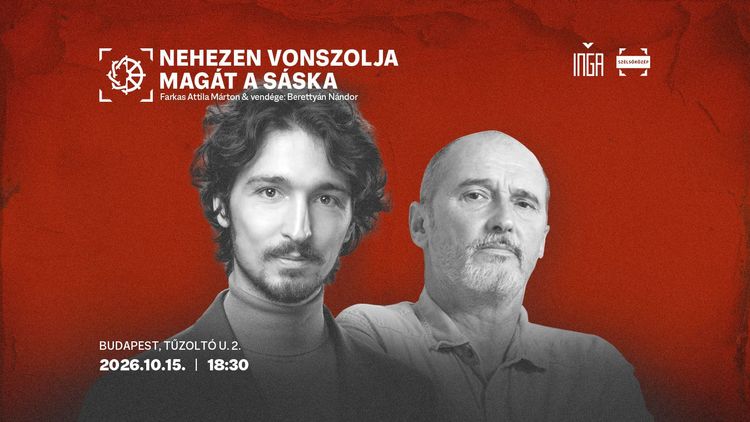
okt. 15., Cs · 18:30
Nehezen vonszolja magát a sáska
Inga Kultúrkávézó

okt. 15., Cs · 20:30
ZaccPerKávé Karafiáth Orsolyával
Inga Kultúrkávézó
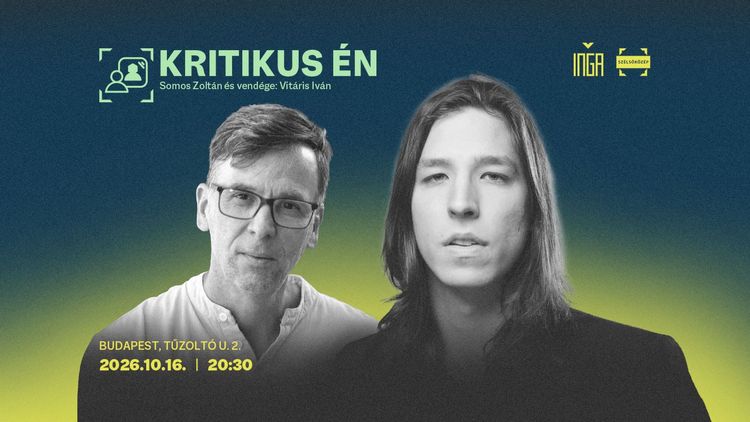
okt. 16., P · 20:30
Kritikus Én
Inga Kultúrkávézó

okt. 17., Szo · 14:00
Filozófiai Kávéház Libertával
Inga Kultúrkávézó

okt. 18., V · 19:00
Farkas Attila Márton és Puzsér Róbert: Az Eskü
Inga Kultúrkávézó

okt. 19., H · 18:00
A Hét Mesterlövésze Moziklub
Inga Kultúrkávézó