
UčeníSetkáváníVěk 16+V interiéru
Longing, Melancholy, and the Unfulfilled – Do We Need What Remains Unfulfilled?
neděle 4. října 2026 · 11:00Cafe Hardenberg
Otevřít na MeetupAn adult discussion group exploring themes of longing, meaning and unfulfilled desire over coffee.
O akci
Překládám do češtiny…
# There are things we want, and there are things we long for. A desire can often be concrete: a new job, a journey, a relationship, or a different place to live. Longing seems to reach further. It can be connected to love, belonging, freedom, home, security, meaning, or the feeling of finally having arrived somewhere in life. Sometimes we know exactly what we are longing for. At other times, we simply feel a distance between the life we are living and another possible life we can imagine. This is part of what makes longing so powerful. It can create hope, imagination, creativity, and change. But it can also make the present feel incomplete when an imagined life seems richer or more meaningful than the one we actually have. Longing is often attached to something specific: a person, a place, a profession, a relationship, or a future. But both we and the world around us change. What once represented freedom may later feel restrictive. A place we idealized may no longer exist as we remember it. Even when we achieve what we once wanted, the longing itself may not disappear. Another tension comes from the many different lives we can imagine. We can choose one path, but we cannot live all possible lives at once. Every decision realizes some possibilities while leaving others behind. In this sense, freedom of choice also involves loss: every life we build contains paths we did not take. Can we accept the life we have chosen while still feeling sadness about lives we never lived? Even good decisions cannot guarantee fulfillment. Relationships may end. People change. Bodies, societies, and political circumstances change. Chance can alter our plans in ways we cannot control. Longing is therefore not always purely personal. People may long for a homeland they had to leave, for security in uncertain circumstances, or for a world that no longer exists. Migration, exile, war, and political change can separate people not only from places, but from entire ways of life. Language also offers different perspectives. Words such as *Sehnsucht*, *saudade*, and *toska* overlap, but emphasize different aspects of longing, loss, distance, nostalgia, and inner restlessness. This raises the question of whether these words describe the same basic human experience, or whether language and culture shape how longing itself is experienced. Melancholy belongs to the same emotional landscape. Something may have been beautiful and hurt precisely because it is over. A moment can become more valuable because we know it cannot last. This relationship between beauty, transience, and loss appears strongly in art. We voluntarily listen to sad music, watch melancholic films, and read stories about loss, even though we usually try to avoid suffering in real life. Perhaps art allows us to experience contradictory emotions—beauty and sadness, love and loss, hope and impossibility—without having to resolve them immediately. Longing can therefore move us forward while also keeping us attached to something absent, lost, imagined, or perhaps impossible. This leads to the central question: **Do we actually need something that remains unfulfilled?** Perhaps longing gives life direction, imagination, and movement. But perhaps this idea romanticizes dissatisfaction. Maybe unfulfillment is simply unavoidable in a life where time is limited, possibilities exclude one another, people change, and not everything can be preserved or controlled. In this session, we will explore longing, melancholy, possibility, loss, and the unfulfilled from philosophical, psychological, artistic, cultural, and social perspectives. We will focus on six central questions: 1. **What is longing, and how is it different from an ordinary desire?** 2. **What do we long for when we imagine another possible life?** 3. **What happens when longing meets reality, change, and loss?** 4. **How much is longing shaped by culture, language, history, and society?** 5. **Why are longing, melancholy, beauty, and transience so closely connected?** 6. **Do we need the unfulfilled—or do we simply have to live with it?** This will be an open and reflective conversation connecting philosophy, psychology, culture, art, history, and personal experience. Together, we will explore why human beings are drawn toward what is absent, lost, distant, or still possible—and what it means to live with longings that may never be completely fulfilled. 📅 **Event Details** 🗓️ **Date:** Sunday, 4 October 2026 ⏰ Time: 11:00 📍 Location: Cafe Hardenberg, Hardenbergstraße 10, 10623 Berlin-Bezirk Charlottenburg-Wilmersdorf 📱 WhatsApp: For preparation materials, updates, and directions, join the group chat. [Group Chat Bio KI](https://chat.whatsapp.com/Ba8ZAaH2Yuk6FGmD3LLO7H)
Mohlo by se ti líbit

pá 2. 10. · 18:00
How to Start a Start-up
MLP House
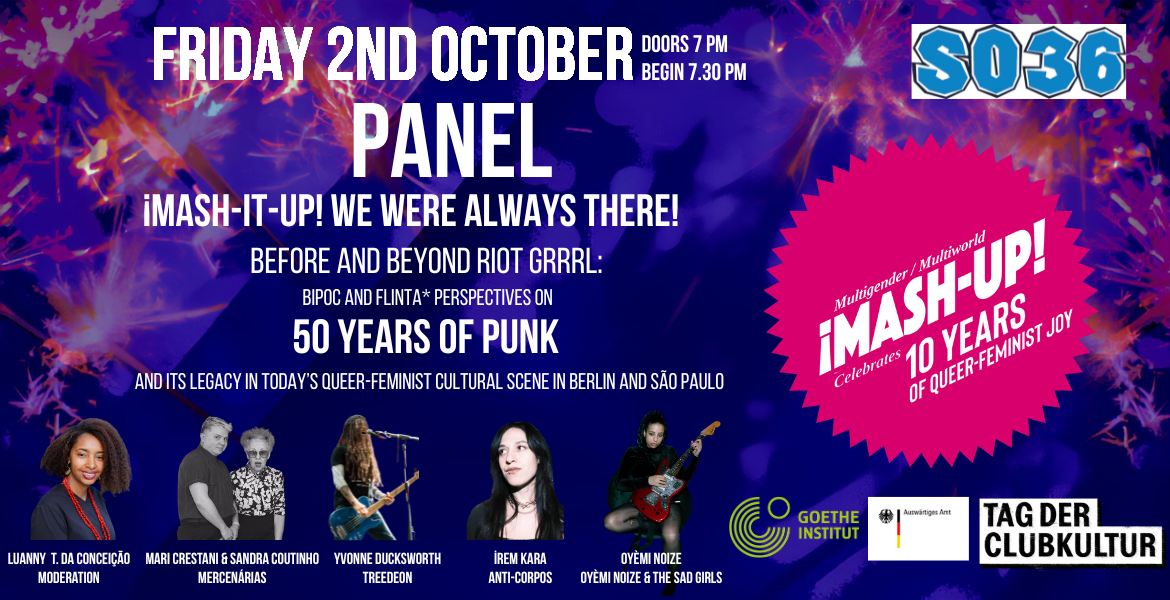
pá 2. 10. · 19:30
Panel: ¡Mash-It-Up! We Were Always There!
SO36
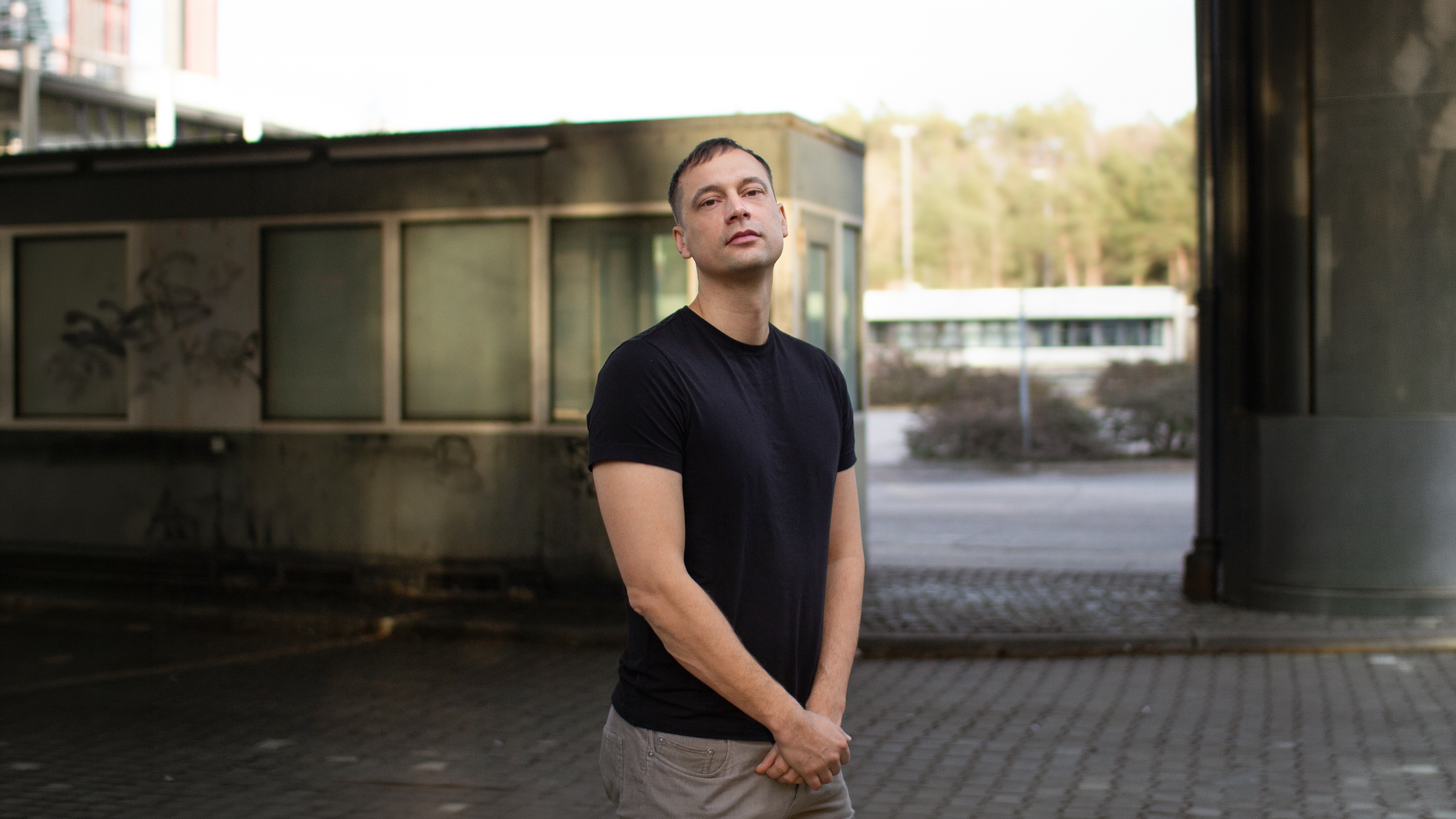
pá 2. 10. · 20:00
Hendrik Bolz: Aus Ruinen
Berliner Ensemble – Großes Haus

so 3. 10. · 10:00
Build & Learn: From Data Science to AI Engineering Week 1
FOODFACTORY Cube Berlin – Food Court, Restaurant & Café at Main Station
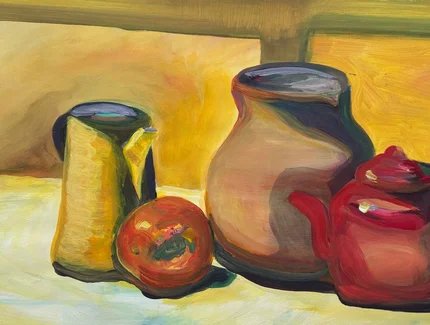
so 3. 10. · 10:00
8-Week Painting Course for Beginners
Kunstraum Heartspace

so 3. 10. · 10:00
Crossing Boundaries - From Brandenburg to Berlin, From the Village to the City
Schönerlinde Station