

TanulásKözösség16+ évBeltériVéget ért
Halál és elmúlás: hogyan éljünk a halandóságunkkal?
Death and Dying: How Do We Live with Our Mortality?
2026. november 1., vasárnap · 14:00Cafe Hardenberg
Véget ért
Ez a program véget ért
Időpontja: 2026. november 1., vasárnap · 14:00.
Helyette ajánljuk
nov. 1., V · 20:00
Transport: Frontline
Podewil
nov. 1., V · 20:00
The Game
TATWERK
nov. 2., H · 07:00
Együtt a körforgásos városért: Hulladékmentes Akcióhetek novemberben
Különböző helyszínek

nov. 2., H · 09:00
Nullcon Biztonsági Konferencia és Képzés – Berlin 2026
Maritim proArte Hotel Berlin

nov. 2., H · 10:00
Brazil Innovation Day Németországban: Közösen a jövőért
Brazil Nagykövetség, Berlin

nov. 2., H · 12:00
Vidéken barangolva
Schwules Museum
Beszélgetős esemény felnőtteknek a halállal és halandósággal kapcsolatos filozófiai nézőpontokról.
Leírás
Fordítás magyarra…
# Death and Dying: How Do We Live with Our Mortality? Death is one of the few certainties of human existence, yet it remains one of the most difficult subjects to confront. We know that our lives are finite, but what does this knowledge mean for the way we live, the choices we make, and the relationships we form? Throughout history, societies have developed different philosophical, religious, and cultural ways of understanding death. From ancient reflections on mortality and traditional farewell rituals to modern medicine, psychology, and palliative care, our relationship with dying has changed considerably. But have we become better at dealing with death, or have we simply moved it further away from everyday life? There is also a curious paradox in modern society. While dying has increasingly become a matter for medical professionals and institutions, individuals are often expected to approach their final days in the "right" way: peacefully, consciously, independently, and with acceptance. Yet dying can also involve fear, pain, loneliness, dependence, anger, and uncertainty. Should a person be expected to accept death peacefully? And can we distinguish between creating conditions for a dignified death and expecting people to achieve one? After all, human dignity is not something we have to earn. Our awareness of mortality also raises questions about life itself. Does knowing that our time is limited help us live more meaningfully? Do our priorities change as we grow older? Or can we understand a meaningful life through possibilities, relationships, and new beginnings rather than through its inevitable ending? And then there is the death of others. Losing someone close can transform our emotions, identity, and understanding of the world. Psychology offers different perspectives on grief, attachment, and relationships that continue in memory. Why might the death of a beloved pet affect us more deeply than the deaths of distant strangers, even though we recognize the equal moral worth of human lives? Finally, death is never merely an individual experience. How we die, mourn, and remember is shaped by families, cultures, religions, medical institutions, and social conditions. Family traditions, childhood experiences, and farewell rituals influence how we understand loss. As societies age and more people require long-term care, new questions arise about dignity, responsibility, and the conditions under which people spend their final years. In this Meetup, we will explore death and dying through **philosophy, history, psychology, science, and personal experience.** ### Questions for Discussion 1. How does awareness of our mortality influence the way we live, and does our relationship with death change as we grow older? 2. What can psychology and science tell us about our fear of death, our attitudes toward dying, and our understanding of a meaningful life? 3. What does it mean to die with dignity, and can the expectation of a peaceful, self-determined death become another form of social pressure? 4. Why do we experience the deaths of loved ones differently from those of strangers, and does a relationship necessarily end when someone dies? 5. How have religious beliefs, cultural traditions, family experiences, and medical developments changed the ways we understand and experience death? 6. Have modern societies pushed death out of everyday life, and what have we gained or lost through its increasing professionalization? 7. As populations age and more people require long-term care, what responsibilities do societies have to ensure dignity and support at the end of life? This will be an open and thoughtful conversation about one of the most universal aspects of human existence. Rather than searching for a single correct attitude toward death, we will examine how people have understood, experienced, and responded to mortality across time and cultures. Perhaps the question is not simply how we should die, but **how the certainty of death shapes the lives we are still living.** *** ### 📅 Event Details 🗓️ **Date:** Sunday, November 1, 2026 ⏰ **Time:** 14:00 📍 **Location:** Café Hardenberg, Hardenbergstraße 10, Berlin 📱 **WhatsApp:** For preparation materials, updates, and directions, join our group chat. [Group Chat Bio KI](https://chat.whatsapp.com/Ba8ZAaH2Yuk6FGmD3LLO7H)
Hasonló programok – Berlin
nov. 1-ig
Szellemparty 2026 a Forum Köpenickben
Forum Köpenick
nov. 1-ig
Improneta
Wabe

nov. 1., V
Vasárnapi jóga-kávé klub (nőknek)
Wrangelstraße 54
nov. 1., V · 19:10
KitKatClub – Kinks of Berlin
Babylon Kreuzberg

nov. 1., V · 19:15
Az utolsók lesznek a legeslegutolsók
Berliner Ensemble – Werkraum
nov. 1., V · 19:30
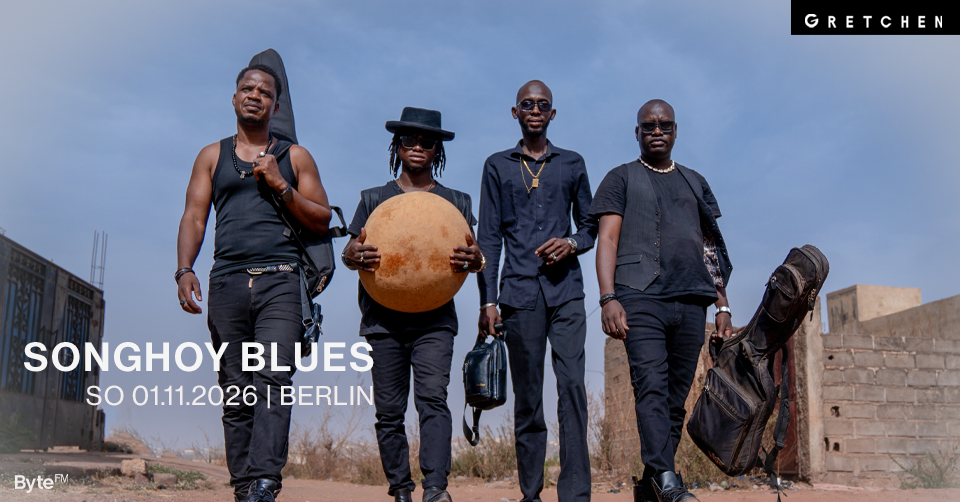
Songhoy Blues *live
Gretchen
Heti levél